
In recent years, mythology has experienced a resurgence in popular literature, with many modern authors drawing inspiration from ancient stories to craft captivating tales. While Although Greek and Norse myths often dominate discussions, Slavic mythology is slowly making its mark in contemporary literature, offering a rich and untapped source of inspiration.
The Power of Slavic Mythology
Slavic mythology is a treasure trove of fascinating deities, creatures, and narratives. Slavic folklore often combines elements of the natural world with supernatural forces, creating a mysterious and enchanting atmosphere that modern readers crave.
Popular elements of Slavic mythology that appear in modern literature include:
- Domovoi: Household spirits that protect (or haunt) families.
- Rusalka: Enigmatic water nymphs, often with tragic backstories.
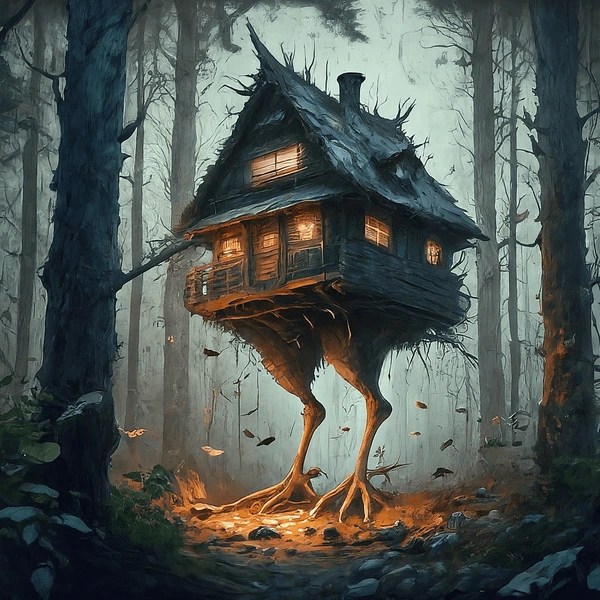
- Baba Yaga: The witch who defies conventional morality, offering wisdom or terror depending on the situation.
Slavic Myths in Contemporary Fantasy
Over the past decade, we’ve seen a rise in fantasy novels incorporating Slavic mythological elements. Authors are increasingly drawn to the dark, eerie, and deeply emotional aspects of these tales, which offer a fresh alternative to the more familiar mythological traditions.
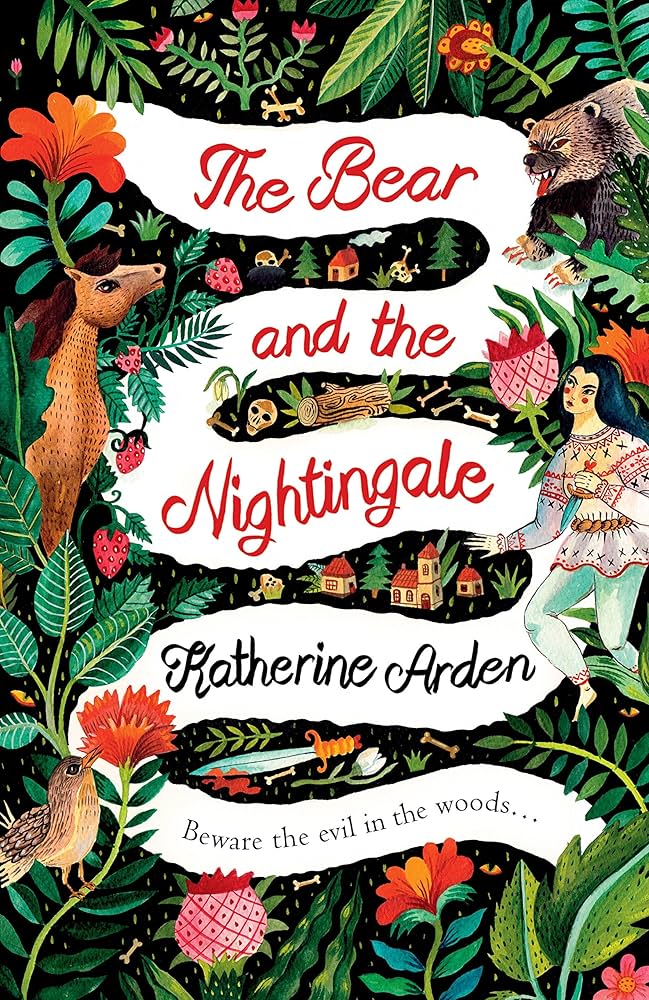
One prominent example is The Bear and the Nightingale by Katherine Arden, which is deeply rooted in Russian folklore. The novel introduces readers to the world of domovoi, rusalka (water spirits), and other mythological creatures, set against the backdrop of medieval Russia. Arden explores the tension between pagan traditions and the encroachment of Christianity, offering a story steeped in myth and history. Her evocative descriptions of the snowy wilderness and richly imagined folklore make this book a must-read for fans of Slavic-inspired fantasy.
The Witcher Series by Andrzej Sapkowski is one of the most notable examples of Slavic mythology influencing modern fantasy. Written by Polish author Andrzej Sapkowski, the series follows Geralt of Rivia, a monster hunter navigating a morally grey world filled with magic, political intrigue, and mythical creatures. Sapkowski draws from Slavic folklore to create creatures like strzygas (vampiric spirits) and vodyanois (water demons), as well as landscapes imbued with a distinctly Eastern European sensibility. The success of The Witcher, further popularized by its Netflix adaptation and video game, has introduced millions to the rich tapestry of Slavic-inspired storytelling.
Naomi Novik’s Spinning Silver reimagines elements of Slavic folklore in a fantasy setting. The novel explores themes of hardship, resilience, and cultural identity through a story inspired by the Rumpelstiltskin fairy tale, interwoven with Slavic motifs. The cold, snowbound landscapes, the Staryk (winter king), and the looming presence of rural traditions and supernatural forces evoke a world deeply reminiscent of Eastern European folklore. Novik’s lyrical prose and the atmospheric setting capture the spirit of Slavic myths while presenting them in a new light.
Key Slavic Mythological Elements in Literature
- Nature as a Bridge to the Supernatural: Slavic mythology often sees the natural world—forests, rivers, and mountains—as imbued with magical properties. Authors often use these elements as gateways to a mystical realm, making nature itself feel alive with secrets and danger.
- The Importance of Ancestors and Spirits: The veneration of ancestors and household spirits, like the domovoi, plays a significant role in Slavic folklore. Contemporary authors often incorporate this reverence for the past into their stories, giving a sense of connection to history and the unseen forces that shape human lives.
- Mythical Creatures: Slavic mythology is full of fascinating creatures, such as the strzyga (a vampire-like creature), the leshy (forest spirit), and the baba yaga (the witch-like figure). These characters have begun appearing in modern novels, often reimagined or presented in new contexts, bringing a sense of old-world magic to the page.
Why Slavic Myths are Gaining Popularity
There are several reasons why Slavic mythology is finding its place in modern literature:
- The Rise of Diverse Stories: Readers are increasingly looking for stories that reflect a wide range of cultures and traditions. Slavic mythology, with its rich tapestry of gods, spirits, and legends, offers a unique perspective on the human experience that resonates with a global audience.
- A Desire for Darker, More Complex Stories: Slavic myths often explore themes of death, the afterlife, and the conflict between good and evil in a more nuanced way than some other mythologies. This complexity appeals to readers who enjoy morally ambiguous characters and intricate plotlines.
- A Sense of Escape: The eerie, atmospheric quality of Slavic folklore offers an immersive experience for readers looking to escape into magical worlds. The mythological creatures and landscapes present in these stories provide a sense of wonder and danger that transports readers to another time and place.
- The Popularity of Folklore-Inspired Media: The success of folklore-inspired TV shows and films, such as Netflix’s “The Witcher”, which draws on Polish author Andrzej Sapkowski’s work rooted in Slavic mythology, has also contributed to the growing interest in these themes.
How Slavic Mythology Shapes Contemporary Writing
As more authors incorporate Slavic mythology into their work, it’s clear that these myths are not just a passing trend—they are a vital source of inspiration that offers deep, universal themes. By tapping into the power of ancient stories, modern authors can create complex narratives that resonate with readers while also reviving and preserving important cultural traditions.
For writers, this is an invitation to explore the rich history of Slavic folklore and to weave those stories into their own narratives, whether through reimagining classic myths or inventing new tales inspired by the old ones. The unique blend of magic, mystery, and moral complexity in Slavic mythology offers endless possibilities for creative storytelling.
Embracing the Myths of the Ancient Slavs
Slavic mythology is no longer an overlooked treasure; it’s becoming a cornerstone of modern fantasy literature. For readers, it offers a gateway to a world of enchanting stories. For writers, it presents endless inspiration for crafting narratives rich in culture and complexity.
Whether you’re drawn to the monster-filled world of The Witcher, the wintry magic of Spinning Silver, or the folklore-rich landscapes of The Bear and the Nightingale, Slavic mythology offers something truly special. It’s an exciting time to see these ancient tales find a place in modern storytelling.



 Myths & Stories
Leave a comment