
There’s a quiet resistance that lives inside most creative people when it comes to marketing.
I’ve seen it over and over again.
Writers who would rather do a thousand revisions than post about their work.
Musicians who pour everything into a song, only to release it into silence, met only by the sound of crickets.
Artists who create beautiful things and then hesitate at the moment they need to be seen.
I understand it. I’ve been there with my own poems and I’ve seen the same pattern repeat itself in my work as a marketer, across freelancers, artists, and businesses of all sizes: the fear isn’t really about marketing. It’s about exposure. About being seen. About getting it wrong.
The good news is that marketing doesn’t have to feel like performance or pressure. At its best, it’s simply a continuation of the creative process.
These are the books I return to again and again, the ones I recommend to creatives who want to share their work in a way that still feels like themselves.
The Practice by Seth Godin
This is where I usually tell people to start.
My own copy of The Practice is full of post-its and scribbles in the margins. I kept coming back to it while figuring out how to market my first poetry collection in English, and I still reach for it whenever I need a bit of clarity or inspiration.
The Practice isn’t a marketing manual. It’s something quieter. It’s about showing up, consistently, even when the work feels uncertain. Especially when it does.
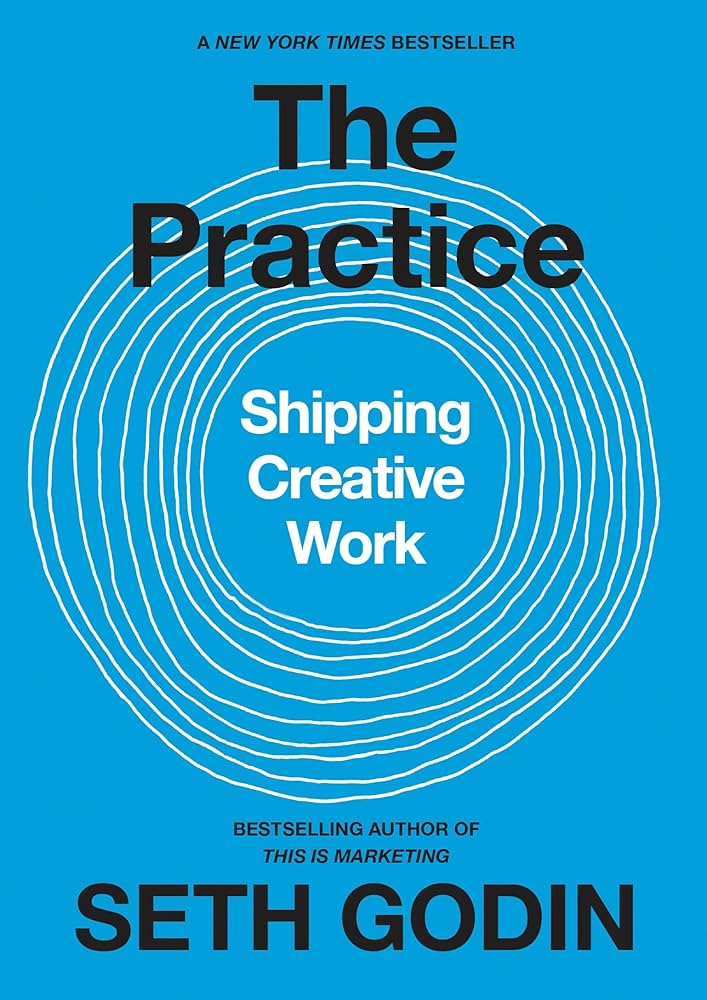
Godin reframes creativity as a practice rather than a moment of inspiration. And that shift changes everything. When you stop waiting to feel ready, you begin to build momentum. When you build momentum, sharing your work becomes less intimidating.
For creatives, this book gently dissolves the idea that you need permission to begin.
Show Your Work! by Austin Kleon
If marketing feels unnatural to you, this is the antidote.
Kleon’s idea is simple: don’t just share the finished piece. Share the process. The drafts. The fragments. The in-between moments.
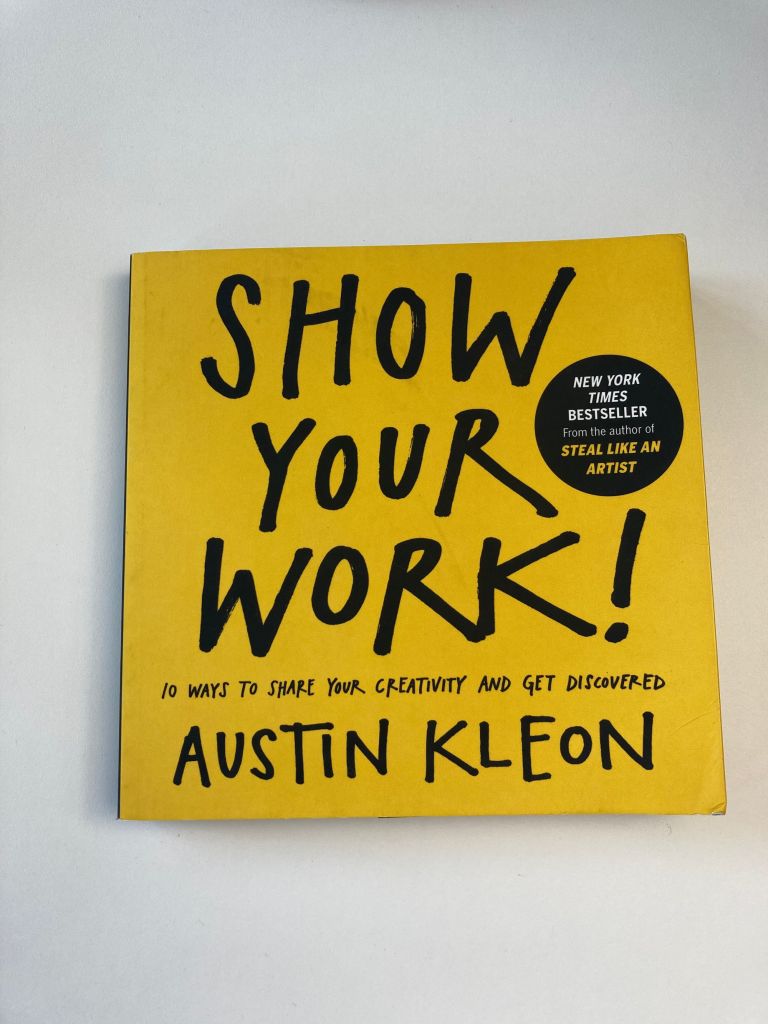
We all feel self-conscious about our work at times. It’s easy to fall into the perfectionist trap, endlessly polishing, rewriting, editing. But the truth is, that idea of “perfect” is always just out of reach. Will it ever really feel good enough? And the funny thing is, people don’t need perfection. They’re drawn to the mess, to the process, to the parts that feel real and human.
It’s not about promoting yourself. It’s about letting people witness the work as it unfolds.
This approach works especially well for writers, poets, and musicians because it removes the pressure of perfection. You’re not presenting something polished. You’re inviting people into your creative world.
This Is Marketing by Seth Godin
Godin’s This is Marketing tends to change how creatives think about marketing entirely.
Godin defines marketing as an act of generosity. Not manipulation. Not persuasion. Simply helping the right people find something that resonates with them.
The key idea here is the smallest viable audience. Not everyone needs to love your work. In fact, they shouldn’t.
For poets and conceptual artists especially, this is freeing. Your work is not meant for everyone. It’s meant for the people who feel it.
Perennial Seller by Ryan Holiday
Most creative work is released and then… forgotten.
We create, we launch, and then we begin again. The cycle continues, quietly and endlessly.
Holiday’s book asks a different question:
What if you created something that lasts?
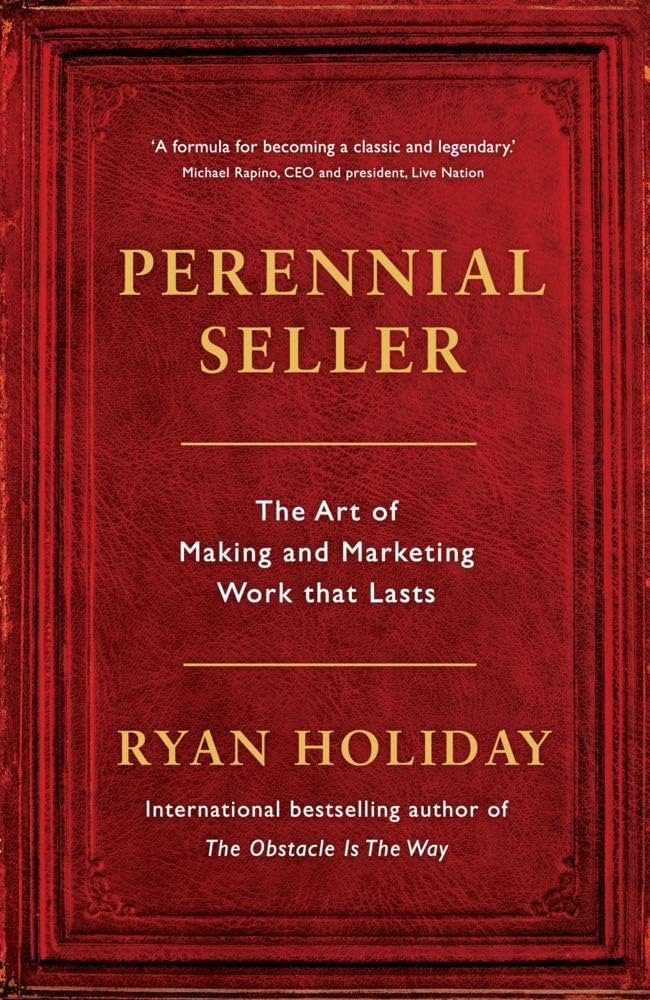
This is particularly valuable for authors and musicians. It shifts the focus from short-term attention to long-term relevance. From ‘launching’ something to building something that continues to live.
It also bridges the gap between creating and positioning, helping you think about where your work belongs and how it finds its audience over time.
For Musicians
The next two books are ones I kept returning to during a time when I worked as a marketer for a sports bar in Dubai. Part of my role was to work closely with the musicians performing live, helping them find their audience for the night. We would sit together, talk through their approach, shape their content, and think about all the ways their music could reach people. It was a practical kind of learning, based on real conversations and small sustainable adjustments, and these books became a steady reference point throughout that process.
How To Make It in the New Music Business by Ari Herstand
This is one of the most practical guides available for independent musicians.
It covers everything: streaming platforms, TikTok, touring, revenue streams. But what makes it useful is that it treats music as both art and business without diminishing either.
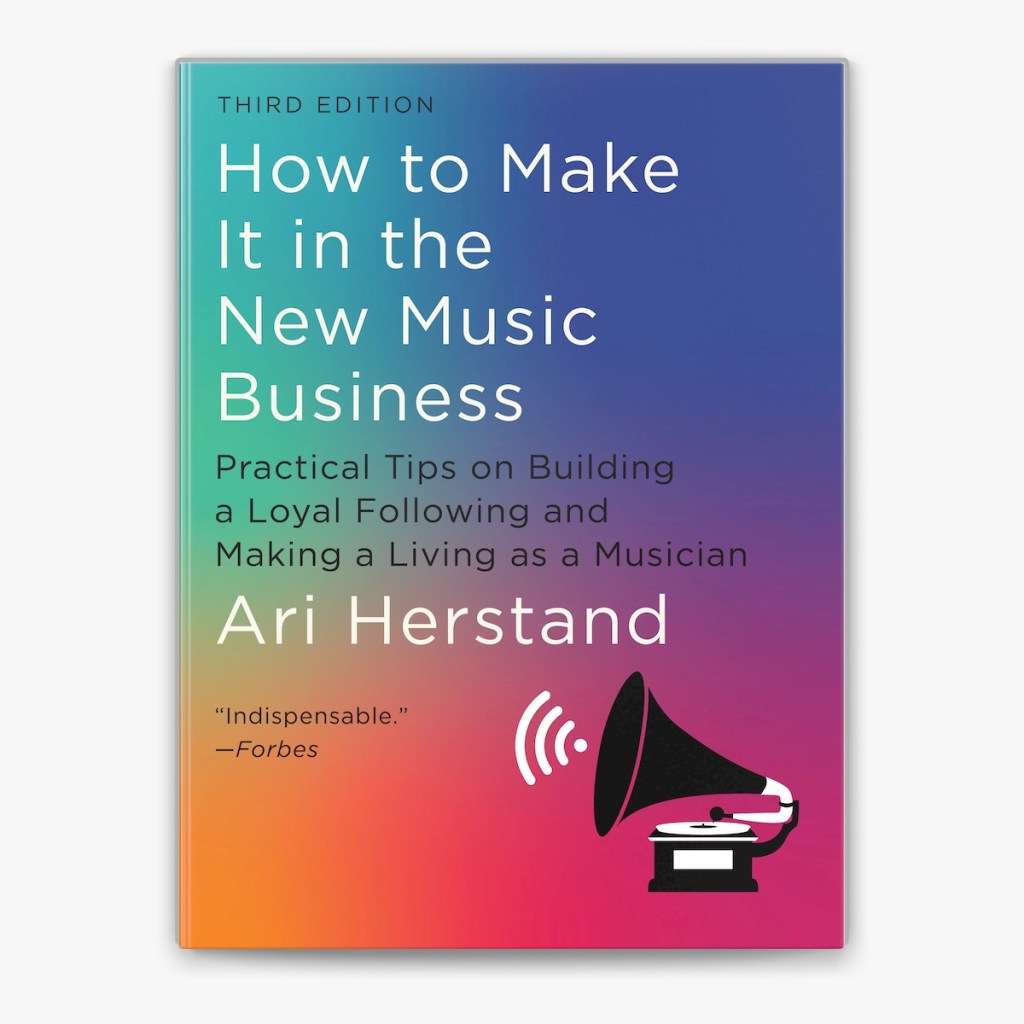
How To Make It in the New Music Business is, on the surface, very practical. It walks you through everything a musician needs to know today. But beneath that, there’s something more reassuring. It reminds you that there is no longer one clear path to follow, no single door you need to find and knock on.
“Making it” is no longer about being discovered or chasing some distant version of fame. It’s about building something sustainable, something that allows you to keep creating. The modern musician lives in two worlds at once, artist and entrepreneur, shaping not just the music, but the space around it.
No one is waiting to find you anymore, which can feel unsettling at first, but it also means that you’re free to define your own path. What matters is not mass attention, but real connection. A small, engaged audience, steady work, multiple streams of income, and the willingness to show up again and again.
It’s less about one big moment, and more about building something slowly, intentionally, in a way that actually fits your life.
Get More Fans by Jesse Cannon
This book goes deeper into the psychology of audiences.
It’s not about chasing numbers. It’s about building connection. Turning casual listeners into people who genuinely care about your work.
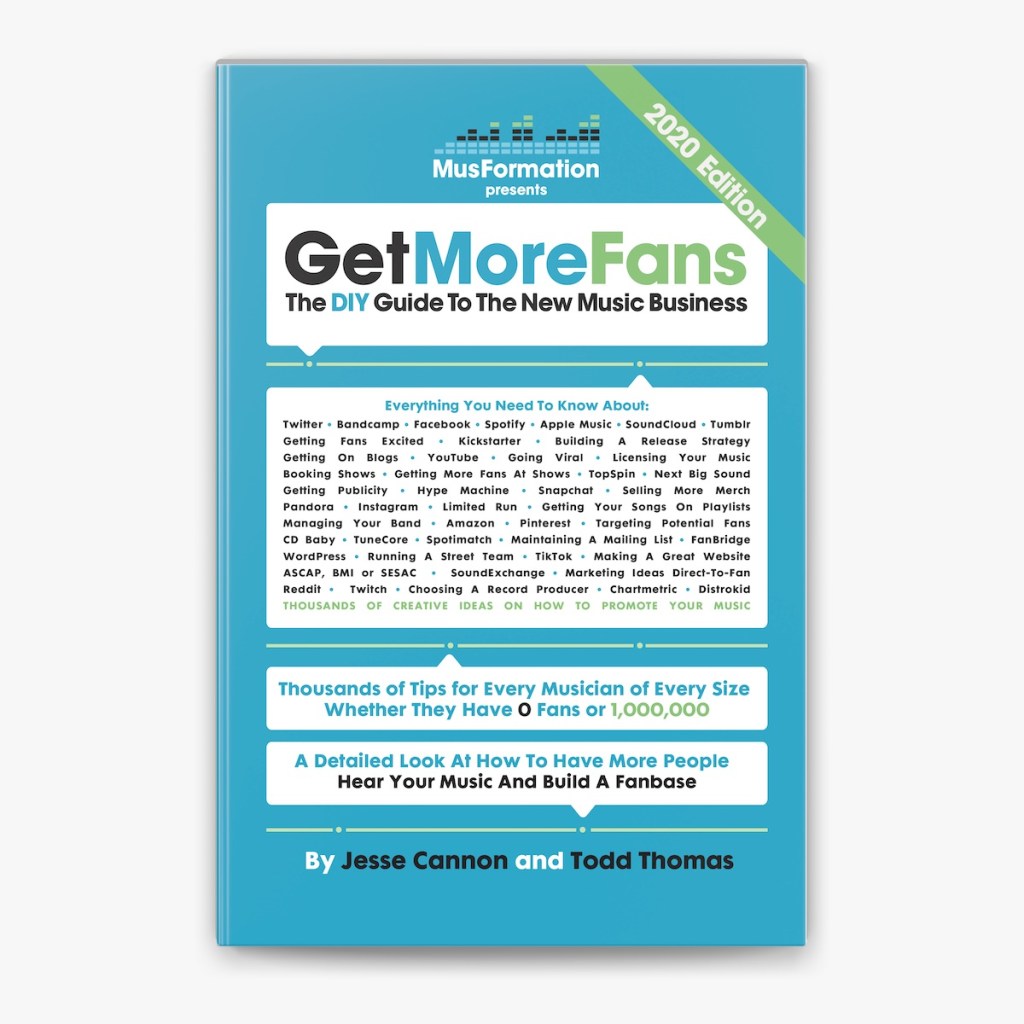
Get More Fans feels less like a traditional book and more like someone laying out all the tools in front of you and saying: this is how you build something that works. At its core, it gently dismantles the idea that you need to be discovered. You don’t. Growth is intentional. It’s something you create, step by step, by showing up in the right places, using the tools available to you, and making it easy for people to find and stay with your work.
What stood out to me most is the shift from chasing attention to building connection. It’s not about streams alone, but about turning listeners into people who care, who return, who support. And that doesn’t happen by accident. It comes from consistency, from momentum, from creating a system you can return to: release, share, connect, repeat.
It’s practical, yes, but underneath it all is a simple idea: you are allowed to build this in your own way, and you don’t have to wait for anyone to give you permission.
For Writers & Poets
I’m currently working on a new poetry collection, and even though the manuscript is far from finished, I’ve already started thinking about how it will live in the world. Not in a rigid, strategic way, but more as a quiet parallel process that unfolds alongside the writing. The books below have been especially helpful in that space. If you’re choosing to go your own way as an indie author, they offer thoughtful guidance and practical insight, without pulling you away from the work itself.
Your First 1,000 Copies by Tim Grahl
This is one of the most grounded, practical books for writers starting from zero.
It focuses on building a simple, sustainable system: an audience, a mailing list, and a relationship with readers.
Nothing flashy. Just effective.
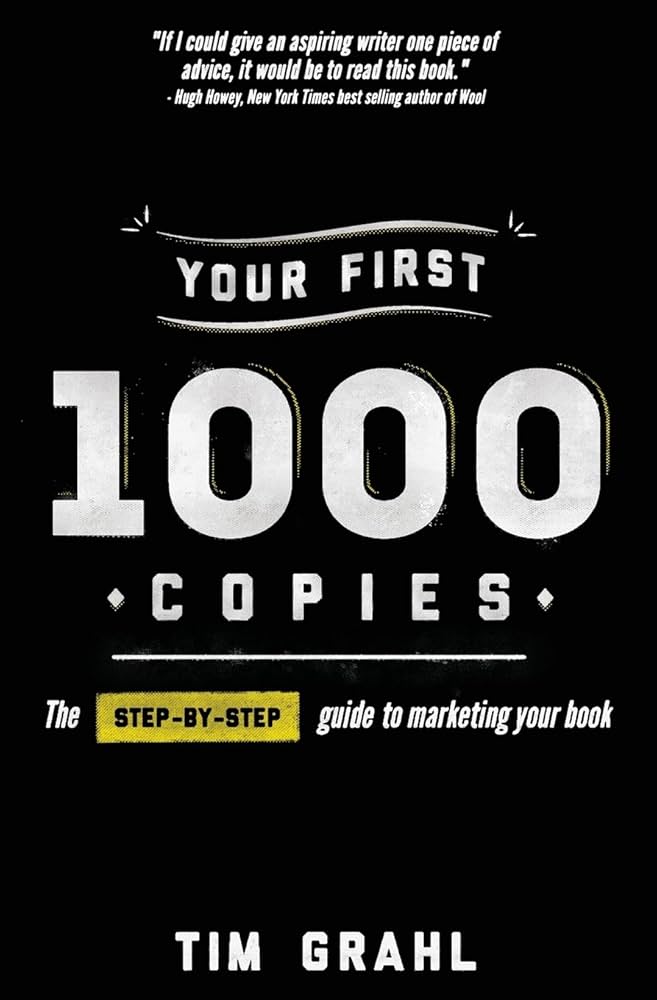
If Ari Herstand speaks about building a sustainable creative life, and Jesse Cannon shows you how to create momentum and growth, Grahl brings it back to something more grounded: relationships. Not in a grand or performative way, but in small, consistent acts of connection.
He reminds you that you don’t need a large audience, just the first people who truly care. What stood out to me is how gently he shifts the focus toward building something that lasts, especially through an email list, something that isn’t borrowed or temporary.
It’s not about pushing your work, but about staying in touch, offering value, and letting that connection quietly support everything else you’re building. In a way, it’s the system that sits underneath it all, steady, repeatable, and easy to return to.
How to Market a Book by Joanna Penn
Joanna Penn approaches writing as both craft and business.
This book covers branding, sales funnels, and long-term strategy, but always with the understanding that the work itself comes first.
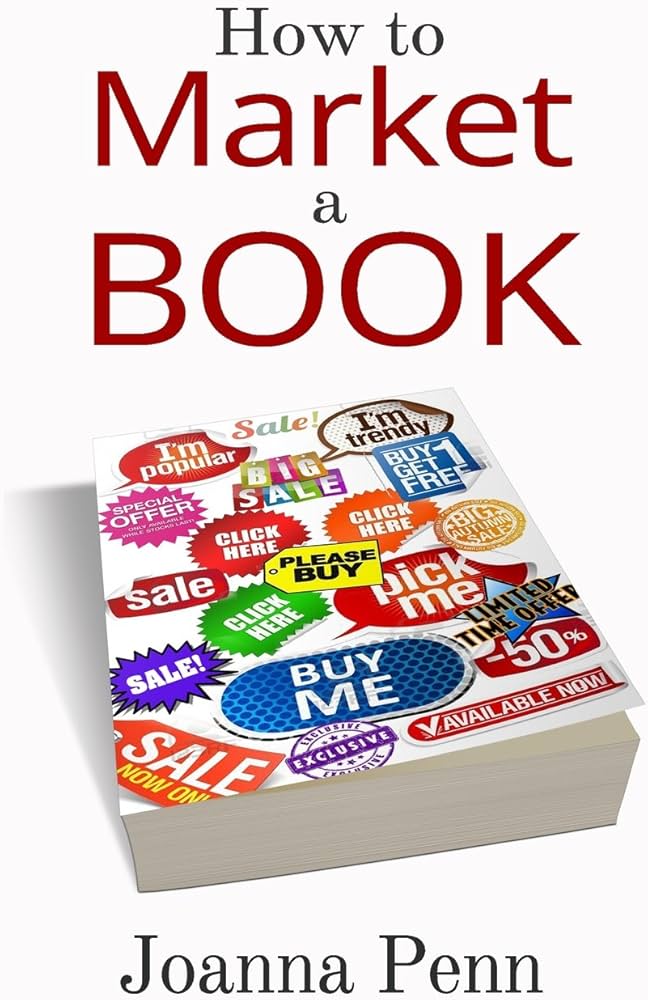
While Tim Grahl focuses on connection, Penn brings in structure, but without taking away that sense of ease. What I appreciate most is how she reminds you that marketing doesn’t begin at launch, it begins alongside the writing itself. You’re shaping not just the book, but the space it will enter, how it’s positioned, who it’s for.
There’s also a sense of honesty in how she approaches it as a long-term process. Not one moment of attention, but something that builds over time, through your platform, your presence, your body of work.
And throughout it all, the same idea keeps returning: there is no single formula. You choose what works for you, what fits your rhythm, your energy, your way of creating. Marketing becomes less about doing everything, and more about doing the right things in a way that feels sustainable.
Mindset & Strategy
Before any strategy, before any platform or system, there’s something far more important that shapes everything: your mindset. I’ve found that more often than not, the real challenge isn’t knowing what to do, it’s pushing through the hesitation that comes before it. The doubt, the resistance, the urge to wait until things feel ready or perfect.
The books in this section don’t focus on tactics as much as they focus on that internal landscape. Because the way you think about your work, your voice, and your place in it all will always shape how you share it. Strategy matters, but it can only take you as far as your mindset allows.
The War of Art by Steven Pressfield
Before you can market your work, you have to finish it.
Pressfield names the invisible force that stops creatives from sharing: resistance. Fear, procrastination, self-doubt.
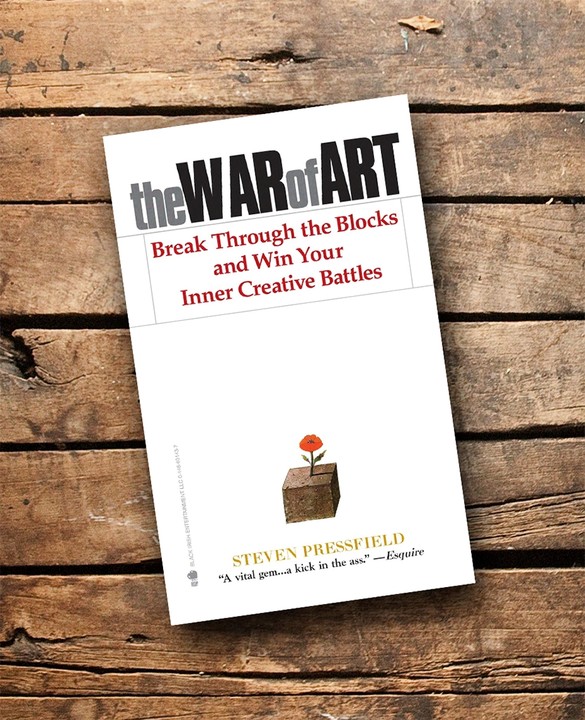
What stayed with me is the simplicity of his message: the only way through is to show up anyway. Not when you feel inspired, not when it’s perfect, but consistently, almost stubbornly.
In that sense, it connects back to everything else, the practice, the momentum, the systems we build. Because none of it exists without the work itself. And the work only exists if you sit down and begin, even when every part of you resists it.
This book doesn’t teach marketing directly, but it removes the barrier that prevents it.
Building a StoryBrand by Donald Miller
This book helps you clarify how you talk about your work.
The key idea is simple: you are not the hero. Your audience is. Your work helps them become who they are trying to be.
For creatives, this can feel counterintuitive at first. But it’s incredibly powerful when done well.
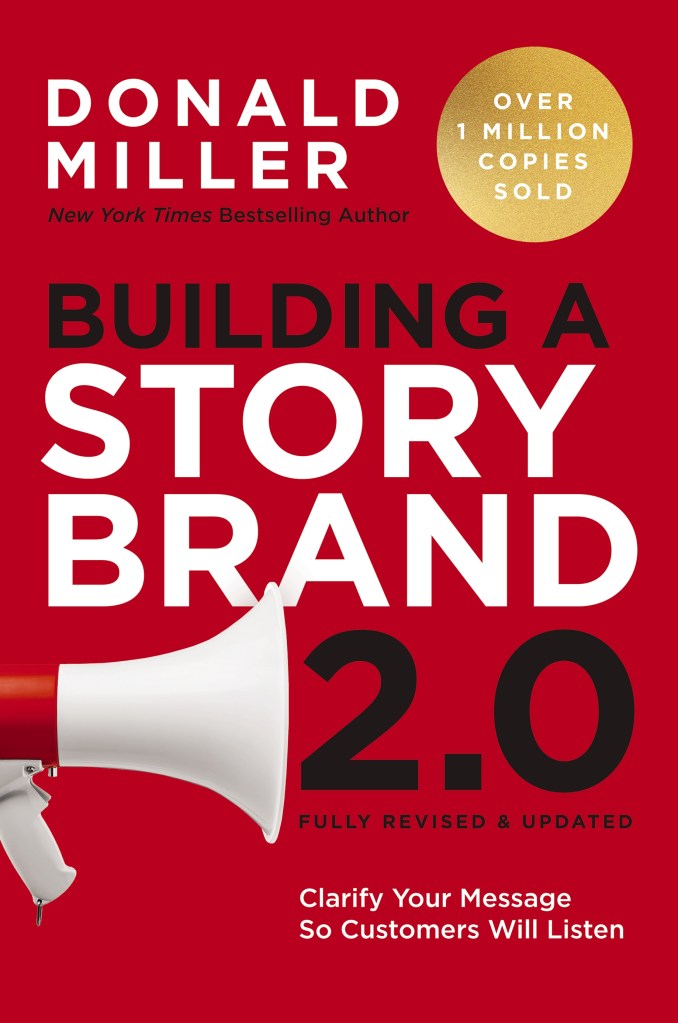
If the other books focus on creating, connecting, and showing up, this one asks a a more straightforward question: can people actually understand what you’re offering?
What I find most helpful is the shift it encourages. You’re not the centre of the story. The person encountering your work is. Your role is to guide them, to show them where they are and how your work fits into that. It’s less about explaining yourself and more about making meaning accessible.
And in a world where everything competes for attention, that kind of clarity feels rare. It doesn’t ask you to become louder or more polished, just to say what you mean, simply enough that the right people recognise themselves in it and choose to stay.
In the End…
Strategy is never something you can copy and paste. What works for one artist rarely translates cleanly to another. Every idea, every piece of advice, every framework needs to be filtered through your own voice, your own rhythms, your own way of creating. That’s where authenticity lives, not in following a formula, but in adapting it. In letting your creative process shape how you share your work, not the other way around.
If there’s one thing I’ve learned from working with creatives and marketing creative work, it’s this:
You don’t need to become a marketer.
You need to understand how your work connects.
Marketing, at its best, is not separate from creativity. It’s an extension of it. Another way of shaping meaning, of reaching outward, of saying: this is what I made, and this is who it’s for.
You don’t have to shout.
You don’t have to sell out.
You just have to show up, consistently, and let the right people find you.
_______________________
If any of this felt familiar, you can find me on Instagram. I share more there, small reflections on writing, creativity, and the in-between moments.





 Myths & Stories
Leave a comment