
-
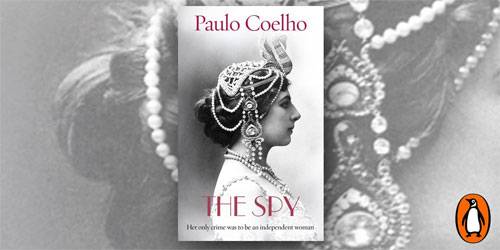
The Spy: The Dancer Whose Clothes Kept Falling Off
Most people swoon at the very mention of Paulo Coelho, a Brazilian novelist who rose to prominence in the late 1980s with The Alchemist, regarding his every word as a droplet from some source of pristine knowledge and positive energy, leaving me (and most probably a handful of other skeptics) feeling like an utter villain…
-
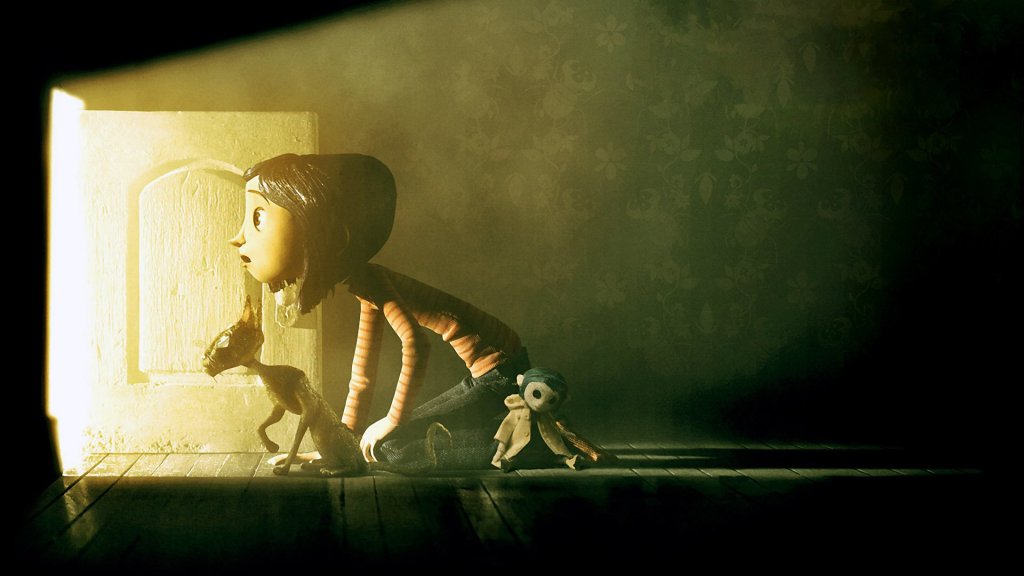
Love Thy Mother: Coraline by Neil Gaiman
Neil Gaiman’s mild horror novella Coraline (2002) is a book I keep returning to whenever I find myself missing my own mother, and that is definitely the case today, during the Mother’s Day weekend. The story of Coraline is one where numerous contemporary parents and children could recognize themselves: the desperately bored little girl looking…
-
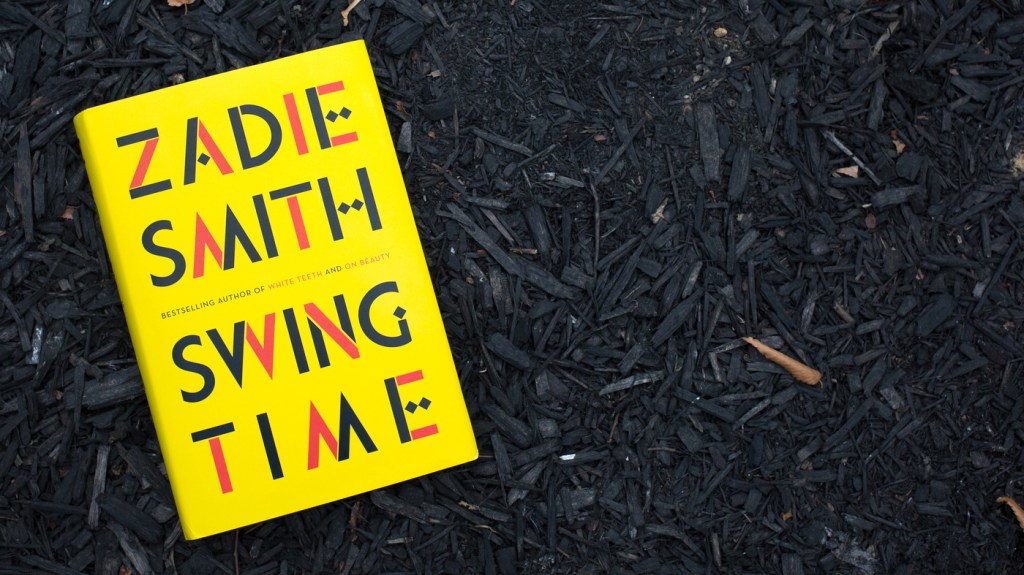
Swing Time: Book Review
Each novel by Zadie Smith seems to be an independent stylistic experiment, from her initial omniscient narrators in the White Teeth (2000) and On Beauty (2005), to her polyphonic experiment in NW (2012), to her latest work Swing Time (2016), where she relies heavily on a loosely autobiographical, quite biased first-person narrator. The story is…
-

On Memory: The Buried Giant
Since Jonathan Swift’s political satire Gulliver’s Travels, fantasy has often been used a means to an end, an imaginary stage with an unlikely cast of characters relied upon to obliquely transmit a very real and powerful contemporary message. Kazuo Ishiguro’s post-Arthurian epic The Buried Giant (2015) employs fantasy tropes in order to muse on the…
-
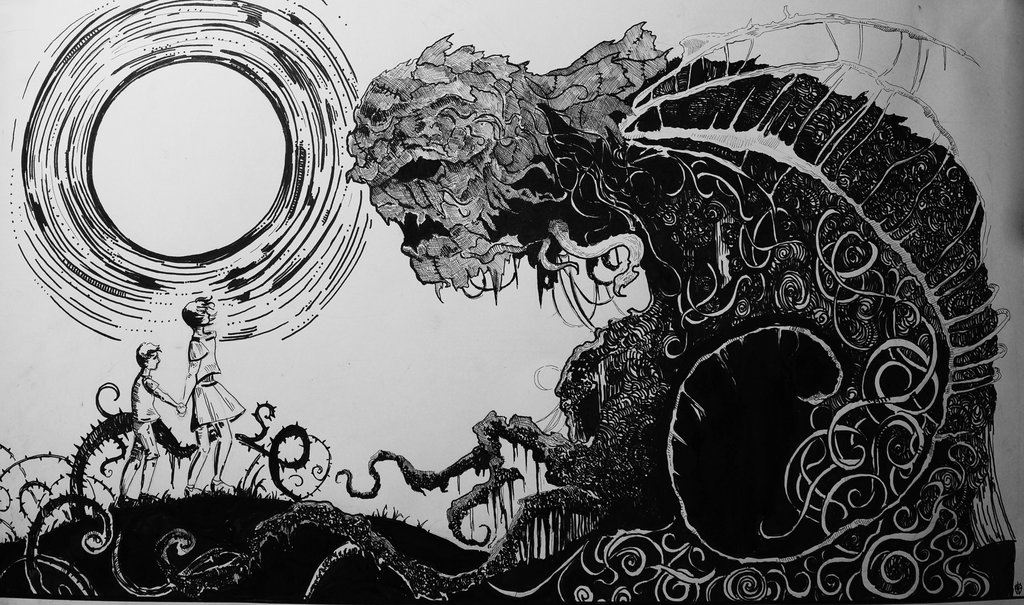
What Lurks Beneath the Surface: The Ocean at the End of the Lane
Dark nooks and crannies inhabited by ghouls, trolls, and hags, the monsters under the bed, the suspicious stranger in the street, the thing that creeps outside the window as soon as the night falls – do any of these ring a bell? Numerous highly individualised and vivid fears worm their way into the mind of…
-
The Grownup Magic: Jonathan Strange and Mr Norrell
‘Unquestionably the finest English novel of the fantastic written in the last seventy years’ says the renowned Neil Gaiman about Susanna Clarke’s Jonathan Strange and Mr Norrell, however, one cannot help but wonder which books Mr Gaiman actually placed into the category of the ‘fantastic’ so that they ended up overtaken by Clarke’s gargantuan novel.…
-

A New Take on Historiographic Metafiction: Atkinson and Donoghue
Bunty chops up the blood-glazed kidney, the idea of testicles never far from her mind. She hates cooking, it’s too much like being nice to people. Here she goes again – I spend my entire life cooking, I’m a slave to housework – chained to the cooker … all those meals, day after day, and…
-
Those Dreadful Muggles
Evertree Crescent was a sickle moon of 1930s bungalows, which lay two minutes from Pagford’s main square. In number thirty-six, a house tenanted longer than any other in the street, Shirley Mollison sat, propped up against her pillows, sipping the tea that her husband had brought her. The reflection facing her in the mirrored doors…
-
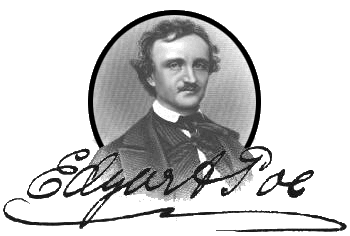
Poe’s Ladies: Search for Perfection
1.0 Introduction Throughout his work Edgar Allan Poe is guided by the idea explained in his “Philosophy of Composition” where he says that the best inspiration for the most poetical melancholy is found in “the death of a beautiful woman” and “equally it is beyond doubt that the lips best suited for such topic are…
-
A Tale of … Several Campuses
As Malcolm Bradbury put it in the first line of The History Man: “Now it is autumn again; the people are all coming back,” yet the beginning of the school year simply doesn’t feel right without the murmur of the rain, wet boots and coats, warm sweaters, and red-gilded trees. It’s November already, and I…
 Myths & Stories