
There was no drama when they rose.
No thunder split the sky. No graves burst open in spectacle. In Slavic lands, the dead returned quietly, slipping back into the world the way fog enters a valley. Slowly. Inevitably.
They came at dusk, when the light thinned, and shadows grew long enough to hide a second heartbeat.
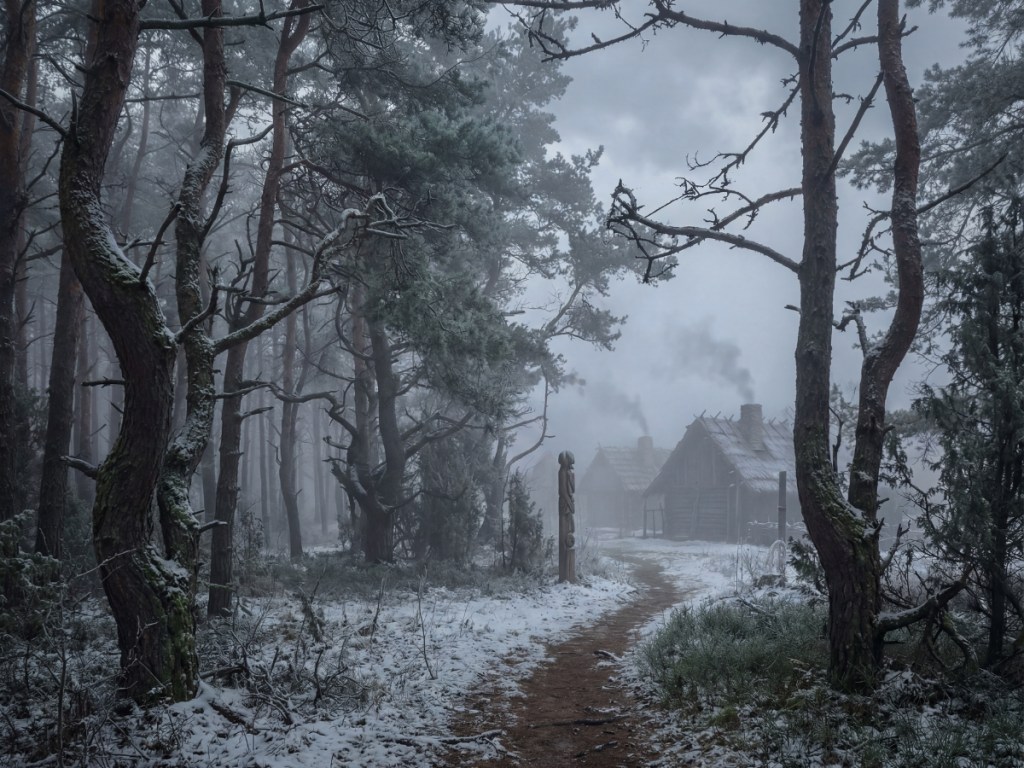
The Slavic Vampire: The Restless Dead
The vampire of Slavic mythology bears little resemblance to the elegant figures of modern fiction. These beings were neither romantic nor immortal aristocrats. They were something much closer to home. A neighbour who died under strange circumstances. A villager whose burial rites were done incorrectly. Sometimes, no reason was needed at all. Some people were simply believed to be born closer to the threshold between worlds.
The vampire of Slavic folklore was not glamorous. It was unsettling precisely because it felt familiar.
It can be said that vampires are mostly a Balkan, and primarily Serbian, phenomenon. The vampire mania took off as a consequence of Serbian folk beliefs attracting the attention of Austrian officials, long before Bram Stoker’s famous Dracula. In the very early 18th century, Austrian officials had reported on a custom in Serbia of digging up corpses and ‘killing vampires.’
The earliest Slavic vampires were known by several names: upir, upiór, vampir, and in some regions strzyga. The word vampir itself is believed to have Slavic roots, spreading through Europe during the eighteenth century.
But in the villages where these beliefs lived, the vampire was less a curiosity and more a serious explanation for misfortune.
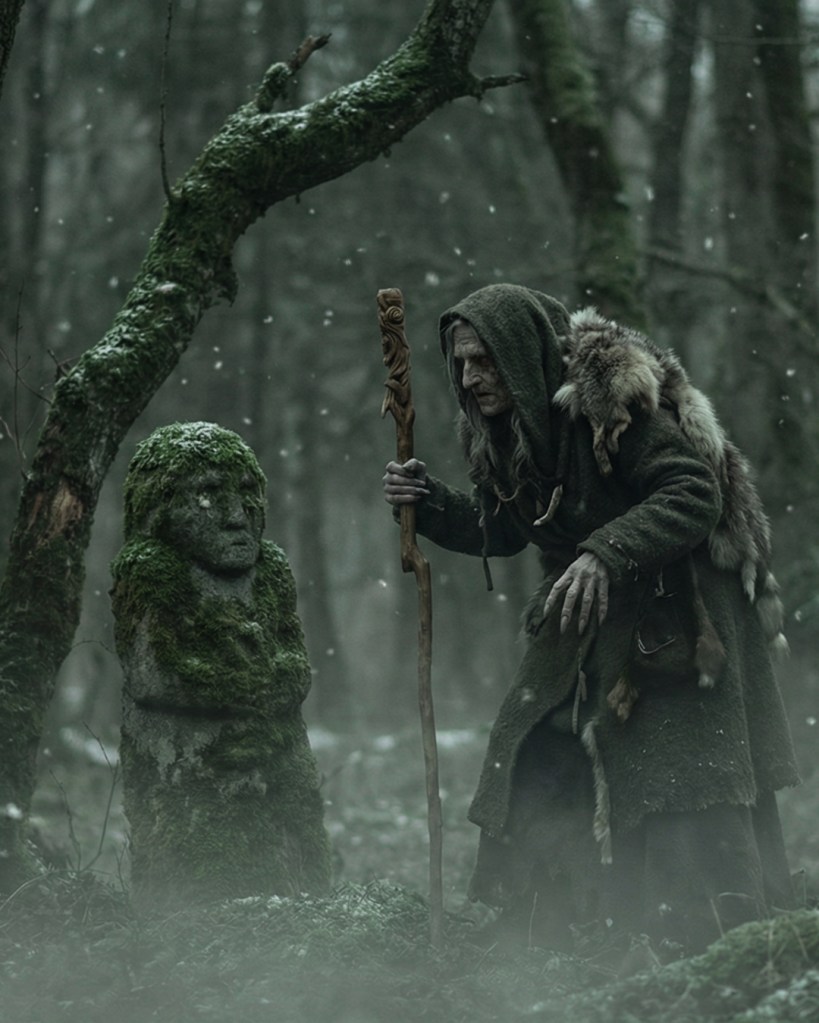
How Someone Became a Vampire
In Slavic folklore, many things could lead to someone returning from the grave.
Improper burial rites were one cause. If prayers were skipped or the body was positioned incorrectly, the soul might fail to pass properly into the next world.
People who died suddenly or violently were also considered at risk of becoming vampires. Those who lived outside social norms, whether through perceived moral failings or unusual behaviour, were sometimes suspected as well.
Even something as arbitrary as being born with a caul, a small membrane covering the head at birth, could mark someone as potentially dangerous after death in certain traditions.
The belief reflected a deeper cultural anxiety: the idea that death must be carefully managed. If rituals were neglected, balance between the living and the dead might collapse.
Signs of the Undead
Slavic folklore is meticulous when it comes to warning signs. Vampires did not announce themselves. They revealed their presence through disruption.
If livestock grew sick, if a strange illness spread through a household or if someone seemed to weaken without reason, people sometimes suspected the work of the restless dead.
Animals might refuse to approach a house. Milk would spoil quickly. Family members might fall ill one after another. Nightmares and sleep paralysis were sometimes interpreted as attacks from the undead.
The vampire fed not only on blood, but on vitality. On breath. On warmth. A recently buried individual might be blamed for returning to drain life from the living.
The vampire was not just a predator. It was a disruption of the natural order.
These creatures were far from elegant predators. They were often described as swollen, ruddy, or strangely preserved corpses, evidence that the grave had not done its work.
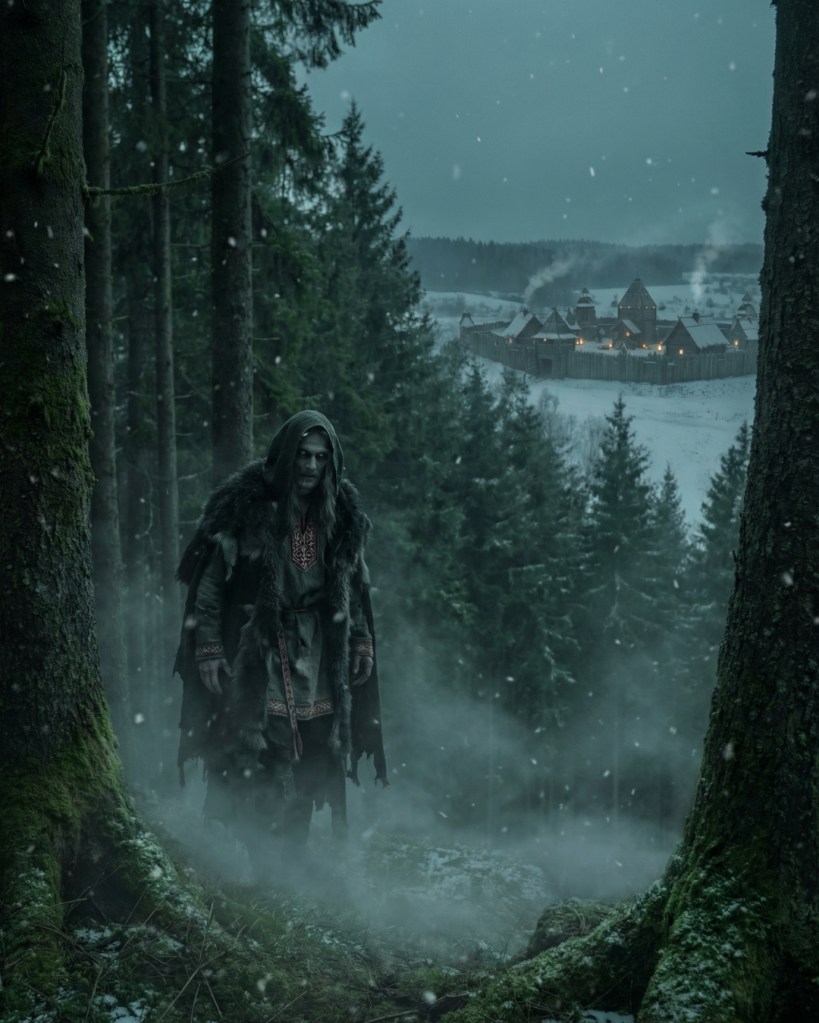
Protection and Prevention
Because these beliefs were woven into daily life, prevention mattered deeply. Slavic burial customs developed a range of protective practices. In daily life, villagers used practical magic and ritual to keep the dead at rest.
Bodies might be buried face down to prevent them from rising. Sometimes, sharp objects or hawthorn stakes were placed in the grave to pin the body to the earth. Poppy seeds were scattered in graves or at thresholds because the vampire, according to folklore, would feel compelled to stop and count them.
Iron objects were also believed to repel supernatural forces. In more extreme cases, if a village suspected that a corpse had become a vampire, the grave would be opened and the body decapitated or burned.
These acts were not performed lightly. They were community decisions, rooted in the belief that the imbalance must be corrected.
Why Vampires Haunted Slavic Lands
In regions marked by harsh winters, disease, war, and uncertainty, the vampire became a way to explain slow, invisible suffering. When illness spread or crops failed, the cause was not always visible. Vampires were often the first victims of an epidemic that would spread to the whole family or community. They gave shape to fear that otherwise had no name.
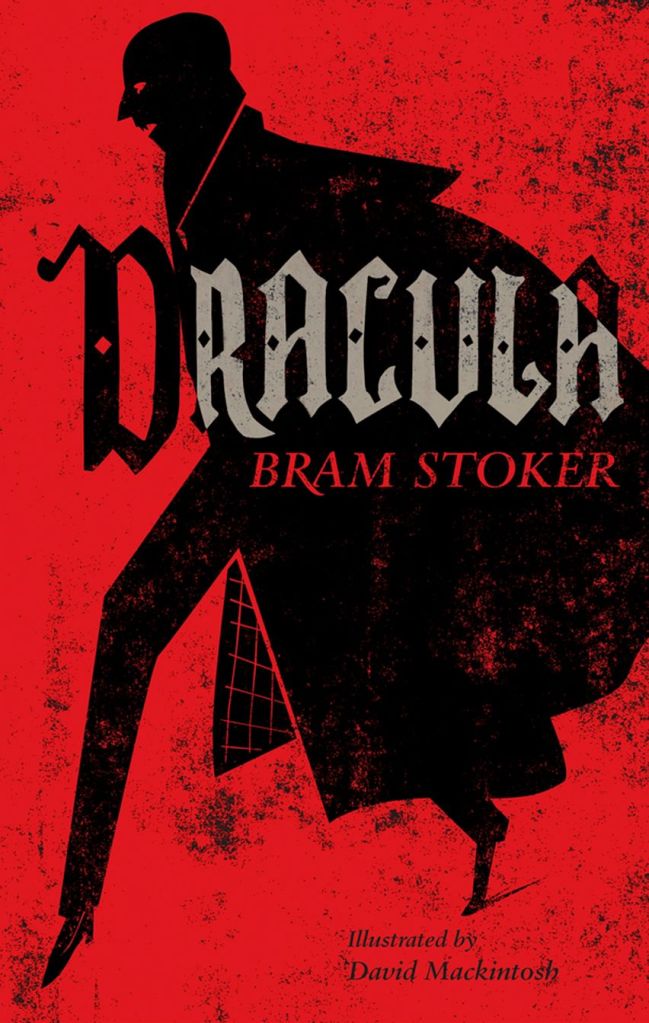
From Village Folklore to Gothic Legend
By the eighteenth century, stories of vampire investigations in regions such as Serbia and Hungary began circulating across Europe. Newspapers and officials documented cases where villagers exhumed bodies they believed were responsible for mysterious deaths.
These reports fascinated Western Europe. The word vampire entered English and French, and the folklore began to transform.
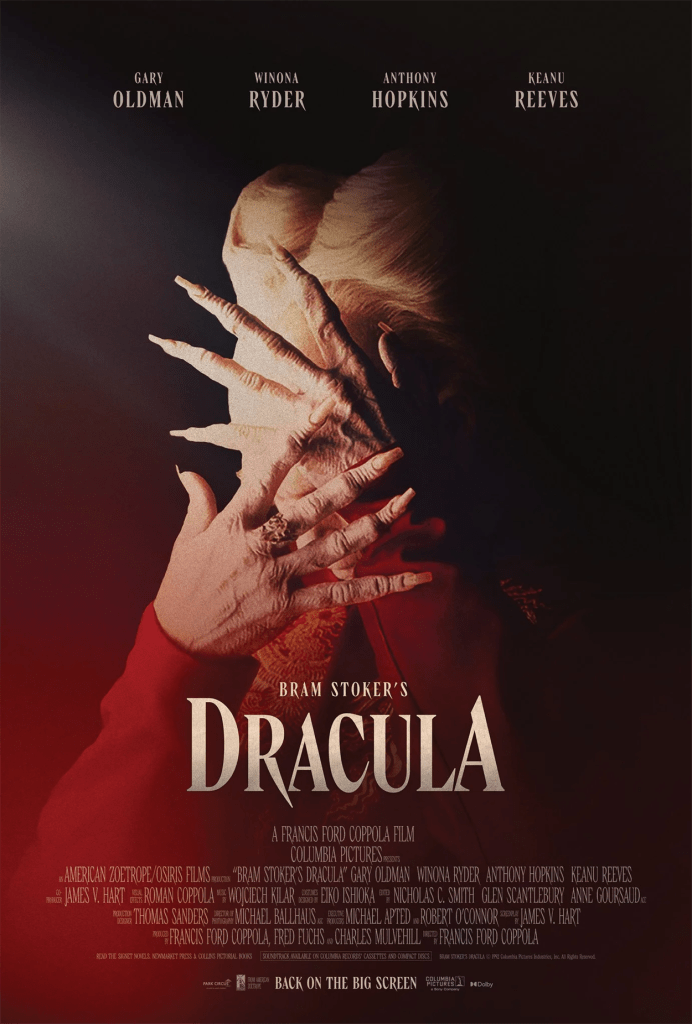
By the time Bram Stoker wrote Dracula in 1897, the creature had already shifted dramatically. The grotesque revenant of Slavic villages became a seductive nobleman living in a distant castle.
Yet the roots of the myth remain in those earlier traditions, in communities trying to understand illness, death, and the thin boundary between life and death.
The Legacy of the Slavic Vampire
Modern vampire myths owe much to Slavic folklore, even if the connection is rarely acknowledged. Before capes and castles, there were villages, soil-stained hands, and the quiet terror of something familiar turning wrong.
The Slavic vampire reminds us that monsters are not always outsiders. Sometimes, they come from within the community. Sometimes, they are born from neglect, illness, fear, or unfinished grief.
And sometimes, they rise simply because the world failed to let them rest.
Modern vampire stories may have become glamorous, even romantic. But their ancestors were far more grounded in the fears and rhythms of everyday life.
They were born in small villages, under long winters, where the line between the living and the dead sometimes felt thinner than anyone wished to admit.
Sources & References
This article draws from folkloric, ethnographic, and mythological research, including:
- Barber, Paul. Vampires, Burial, and Death: Folklore and Reality
- Charney, Noah; Slapsak, Svetlana, The Slavic Myths
- Ivanits, Linda J. Russian Folk Belief
- Afanasyev, Alexander. Russian Fairy Tales
- Lecouteux, Claude. The Return of the Dead: Ghosts, Ancestors, and the Transparent Veil of the Pagan Mind
- Balkan, East Slavic, and South Slavic ethnographic records on burial rites and vampire beliefs
Copyright Note
All Slavic deities, spirits, and mythological creatures appearing on Myths & Stories are explained as truthfully as I found them in the sources—though remember, myths have many voices, and each source may sing a slightly different tune.
The retellings, poetic twists, and original stories here are my own creations. Please don’t borrow them without asking first.
© ernawrites.com



 Myths & Stories
Leave a reply to Martin Cororan Cancel reply